Women’s Formal Wear Redefined via Dedicated Tailor Bangkok Workshops
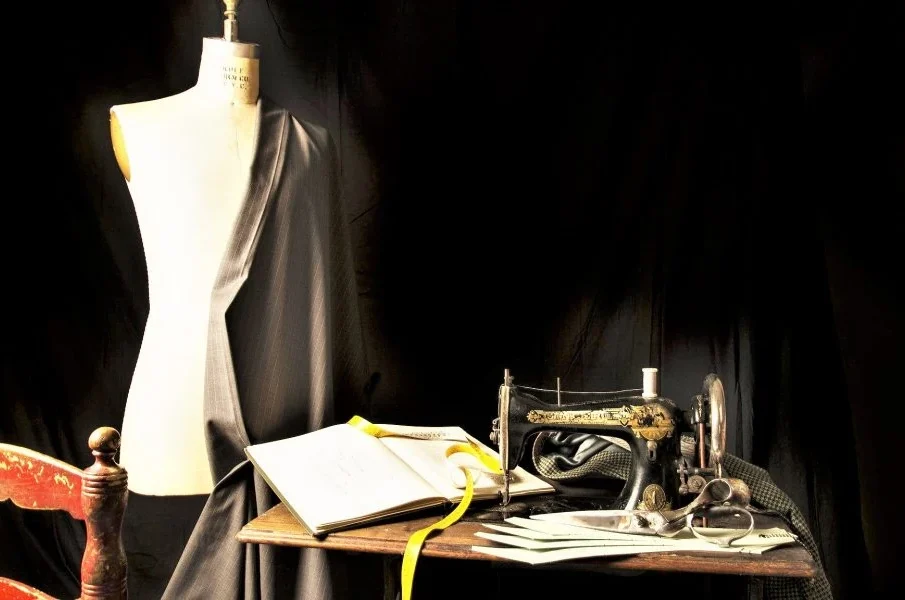
Formal clothing for professional settings demands exact measurements and steady construction methods. Many women seek pieces that hold shape through full workdays and formal events without constant adjustment. Poor planning often leads to sleeves that restrict movement or hems that shift after short use. A clear sequence from first recording to final trial prevents these issues. Workshops that follow fixed stages deliver more reliable results than hurried choices. Clients who work with the best tailor in bangkok gain clothing that matches daily needs through careful steps.
Body Measurement Standards
Accurate recording of shoulder width chest depth, and arm length forms the foundation. Specialists note posture while the client stands in a natural position. Fabric selection follows only after all numbers are confirmed. This order keeps later changes minimal and controlled.
Fitting Trial Sequence
Two separate trials reveal how the garment behaves under real movement. The first marks major pressure points while the second confirms balance.
- Shoulder seams receive chalk marks only after full arm range is tested
- Waist lines are adjusted while the client sits and stands repeatedly
- Sleeve lengths stay provisional until both trials are complete
- Hem positions account for different shoe heights brought by the client
- Collar gaps are checked under natural and indoor lighting conditions
- Side seams receive tension tests during slow walking movements
- Final approval occurs only when all marked changes are finished
- Written notes travel with the order for future reference
These controlled intervals reduce the chance of last-minute corrections.
Fabric Drape Selection
Cloth weight must match the expected activity level and room temperature. Lighter weaves suit longer standing periods while denser options hold form better during seated hours. Samples are held against the body to test actual hang. One practical limit appears when preferred colors exist only in weights that feel heavier than needed.
What Steps Ensure Proper Formal Fit?
Women often ask how the process keeps garments comfortable across long events. The answer lies in timed trials that catch posture shifts early.
Specialists schedule the second trial several days after the first so natural body changes appear clearly. Written records of each adjustment prevent repeated errors on later orders. This method produces pieces that stay balanced without constant pulling or tightening during use.
Seam Placement Methods
Seams follow natural body lines to reduce friction during daily motion. The approach places joins where stress remains lowest. Real conditions show fewer pulls at the underarm and waist after repeated wear.
Order Completion Stages
The full sequence begins with body recording and ends with care instructions. Fabric is cut only after measurements are locked. Clients who follow the same stages with the best tailor in bangkok notice fewer adjustments on repeat visits. Delivery includes simple notes on washing that protect the construction.
FAQ on Formal Wear Process
- How many trials cover most formal orders? Two trials spaced days apart handle typical posture shifts.
- What if size changes slightly before delivery? The second trial corrects small differences without a full restart.
- Does lighter cloth still keep its shape? Yes, when seams receive even tension throughout.
- How long does the complete sequence take? Three to five weeks allows proper gaps between stages.
- Can measurement records be reused later? Yes, they remain on file for matching future pieces.
- Is ready fabric suitable for formal use? Only when weight and drape match the recorded needs exactly.
Steady Construction Outcomes
Fixed measurement and trial stages produce formal clothing that performs reliably across varied conditions. Clients who keep the same sequence avoid most common fitting problems. Reviewing past notes before each new order improves accuracy. Practical execution of every step matters more than any single adjustment. Consistent habits deliver pieces that remain comfortable and balanced over extended use.