
Professional Marine Construction Planning For Complex Waterfront Projects
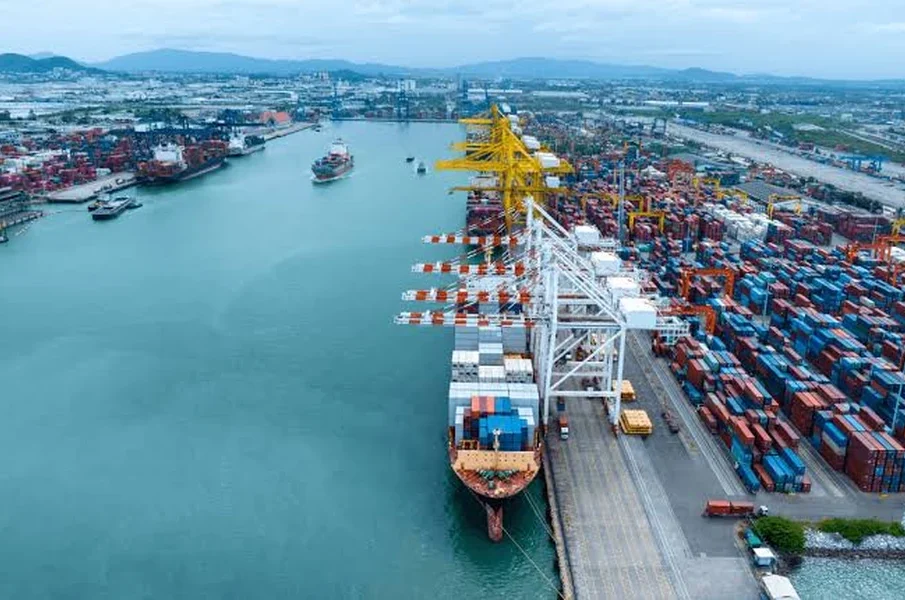
Waterfront projects succeed through preparation, not guesswork. Hidden seabed conditions, tidal movement, and permit requirements shape every decision before equipment even reaches the shoreline. Practical planning keeps work flowing, limits costly surprises, and protects finished structures. Owners expecting dependable results often begin with a trusted marine construction company familiar with coastal engineering and marine operations.
What Shapes Successful Waterfront Construction Planning?
Every shoreline presents different conditions beneath the surface. Rock layers, soft sediments, vessel access, and changing water levels influence construction choices. A marina expansion, for example, demands different planning than a bridge pier or commercial dock because each location responds differently during installation.
Which Planning Decisions Create Lasting Performance?
Early planning connects engineering, logistics, and environmental responsibility into one workable strategy. Each decision influences another, making careful coordination valuable before construction begins. An experienced marine construction company reviews site conditions alongside equipment capability, helping project teams avoid impractical methods before field operations start.
Important planning priorities include:
- Accurate hydrographic surveys before design approval.
- Reliable tidal scheduling for equipment access.
- Durable material selection matching water exposure.
- Permit coordination across regulatory authorities.
- Emergency response planning during operations.
Why Do Site Conditions Influence Construction Methods?
Choosing equipment begins with understanding underwater conditions rather than machinery availability. Soft seabeds may require deeper foundations, while rocky areas demand specialized drilling systems. Although two waterfront sites appear similar above water, hidden ground conditions often require completely different installation approaches for reliable structural performance.
Practical considerations often include:
- Water depth during working hours.
- Vessel movement around construction zones.
- Seasonal weather exposure.
- Existing underwater utilities.
Each factor influences productivity without creating unnecessary project interruptions.
Can Better Coordination Reduce Project Risks?
Construction schedules depend upon more than workforce availability. Material deliveries, crane positioning, marine traffic, and inspection timing require careful alignment throughout the project. Clear communication between engineers, contractors, and regulatory representatives reduces confusion before small issues develop into expensive delays requiring corrective work.
Practical Results Build Waterfront Confidence
Strong marine planning creates dependable infrastructure serving communities for decades. Well-timed tidal scheduling, accurate seabed investigations, and durable foundation choices protect investments long after construction finishes. Every informed decision made before installation strengthens future performance, proving preparation remains the strongest tool available for complex waterfront development.
FAQs
Why are underwater surveys completed before construction?
They reveal seabed conditions, hidden obstacles, and foundation requirements before installation begins.
Why do tides affect construction schedules?
Water levels determine equipment access, worker safety, and installation accuracy throughout marine operations.
Can identical waterfront projects use identical methods?
No. Ground conditions, wave exposure, and local regulations require location-specific planning for dependable results.