
How Oral Appliance Therapy Works for Sleep Apnea (and Who It Actually Fits)
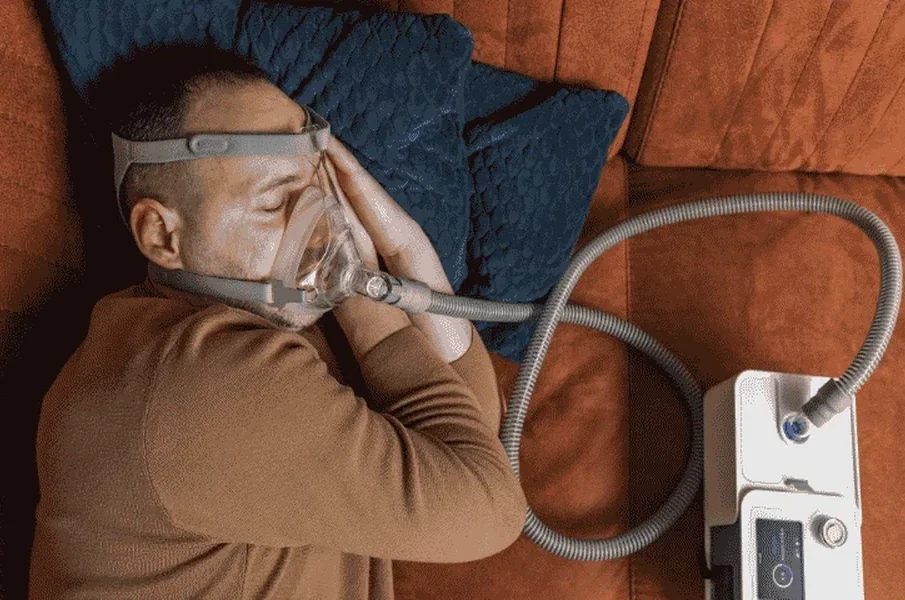
My neighbor Rick spent nine years telling anyone who would listen that he slept fine. He just snored. Then his wife recorded him one night, and the forty seconds of silence in the middle of that clip sent him to a sleep clinic. Rick never touched a CPAP machine. He got a molded mouthpiece instead, and his apnea events dropped enough that his cardiologist stopped giving him the look during checkups.
That mouthpiece is the whole idea behind oral appliance therapy: a custom device that holds your lower jaw slightly forward so the airway behind your tongue stays open while you sleep. It is not a gimmick sold on late-night TV. It is a legitimate, guideline-recognized treatment for obstructive sleep apnea, and for a certain kind of sleeper it beats a CPAP machine every single night of the week.
Here is what I want you to walk away with. What the device actually does inside your mouth, which sleepers tend to succeed with it, which ones usually do not, and how to tell the difference before you spend a dime.
What the device is actually doing while you sleep
Think about what happens when you fall asleep on your back. Every muscle in your body relaxes, including the ones holding your throat open. The tongue drifts backward, the soft tissue sags, and the airway narrows to the width of a coffee stirrer. Air pushes through, tissue vibrates, and you get the chainsaw noise. When the airway closes completely, your brain jolts you toward wakefulness just enough to reopen it, often without you remembering a thing.
A mandibular advancement device changes the geometry. By nudging your lower jaw forward, it pulls the tongue forward with it and tensions the soft tissue behind the palate. Same body, same sleeper, wider airway. A tongue-retaining device takes a different route and holds the tongue itself in place, which matters if your jaw joints complain about being pushed around.
That is the mechanical story, and it is the part most articles skip straight past. Devices are not pillows or nostril strips. They are orthopedic tools for soft tissue, and the fit is everything.
Why the fit matters more than the brand
Walk into a drugstore and you can buy a boil-and-bite appliance for the price of lunch. I get the appeal. I would still tell you to skip it, and here is my honest reasoning: a device that does not match your bite either fails to move your jaw far enough to help, or moves it so far that you wake up with your jaw aching and your teeth shifting.
Custom appliances are made from impressions or digital scans of your mouth, and a sleep-trained dentist can adjust the advancement in small increments over several visits. That titration process is where the results live. Too little advancement and your apnea hangs around. Too much and your temporomandibular joints stage a protest.
Your anatomy decides the rest. Jaw shape, tooth position, tongue size, and where your airway collapses all factor into which appliance design suits you. That is why two people with identical sleep study numbers can walk out with completely different devices, and why copying your brother-in-law’s setup is a bad plan.
Who tends to do well with it
If you have mild to moderate obstructive sleep apnea, or your apnea is positional and mostly shows up when you roll onto your back, you are squarely in the sweet spot. The same goes for people who simply cannot tolerate positive airway pressure. And plenty of folks fall into that camp. Discomfort, claustrophobia, dry eyes, and mask leaks push a lot of people to abandon CPAP, and a treatment you actually wear beats a treatment sitting in a closet.
Snoring without a formal apnea diagnosis is another common reason people ask about appliances. Worth saying plainly: snoring is a symptom, not a diagnosis, and you want a real sleep test before anyone molds anything for your mouth. An appliance that quiets the noise while leaving oxygen drops unaddressed is the worst possible outcome, because it hides the problem instead of fixing it.
Who should look elsewhere first
This is where I part ways with the marketing brochures. If you have severe apnea with significant oxygen desaturation, the evidence still favors positive airway pressure, and a dentist who tells you otherwise is selling, not treating. The National Institute on Aging notes that sleep apnea that goes untreated is linked with cardiovascular strain and daytime impairment, so severity is not something to negotiate with.
Active gum disease, loose teeth, or a history of jaw joint disorders also push you toward a different conversation. Growing children with suspected apnea need a specialist’s evaluation, not an adult appliance scaled down. And if your jaw pops every time you yawn, say so during your first visit.
A practical way to decide your next step
Run this sequence in order, and do not skip steps because you are impatient about the snoring.
- Get a sleep test. Home tests are common and easy, and they tell you whether apnea is present and how severe it is. No test, no appliance.
- Review your numbers with a clinician. Mild, moderate, or severe changes the recommendation, and so does your oxygen data.
- Try CPAP honestly if it is recommended. Give it a real trial with a fitting session and mask swaps before you declare it unbearable. Some people quit in week one over a fixable problem.
- Ask about an appliance if pressure therapy fails. That is the medically standard path, and it is the path that gets insurance to pay attention.
- Choose a provider who adjusts. Ask how many follow-up visits are included and how they track whether the device is working.
- Retest after a few months. Objective data beats your spouse’s opinion, though both are welcome.
For readers in the Upper Peninsula, this is where local care earns its keep. Shipping impressions to a lab six states away and never seeing a clinician again is not treatment, it is a transaction. Companies like oral appliance therapy in Marquette MI providers handle the testing, the fitting, and the follow-up adjustments in one place, which is exactly what titration-heavy treatment needs. If you live up here and you have been putting this off for years, that convenience is not a small thing.
What usual medical treatment gets right (and oral appliances add)
Oral appliance therapy has been studied for decades, and the U.S. Food and Drug Administration clears these devices as medical treatments, which is a meaningful bar. It does not cure sleep apnea. It manages it, the same way glasses manage vision. Stop wearing it and the snoring comes home.
Side effects are real but usually manageable. Jaw soreness in the first weeks, excess salivation that fades, occasional morning bite shifts. Your dentist can adjust for all of it, and regular checkups catch tooth movement early. Meanwhile, the basics still apply to everyone: keep your weight in a healthy range, skip the nightcap, and treat nasal congestion instead of mouth breathing through it.
Sleep deprivation does not stay in the bedroom. The Centers for Disease Control and Prevention has long treated insufficient sleep as a public health concern, tied to chronic conditions well beyond feeling tired at your desk. Fixing your breathing at night is one of the highest-return health moves available to you.
One appliance, one honest question
Rick’s device did not make him a different person. It just let him sleep, which turns out to be most of it. If you are waking up exhausted, snoring loud enough to clear a room, or falling asleep during a Tuesday meeting, stop treating the noise as the problem and start treating the airway as the problem.
Book the sleep test. Read the results with someone who explains them plainly. And if a custom mouthpiece turns out to be your answer, wear it every single night and let a clinician keep tuning it. What would one good night of sleep actually be worth to you?